British Sporting Firearms Articles

Explore our collection focused on British Sporting long arms — from early muzzle loaders to the rise of the breech‑loading Sporting gun — with history, makers, and technical details.

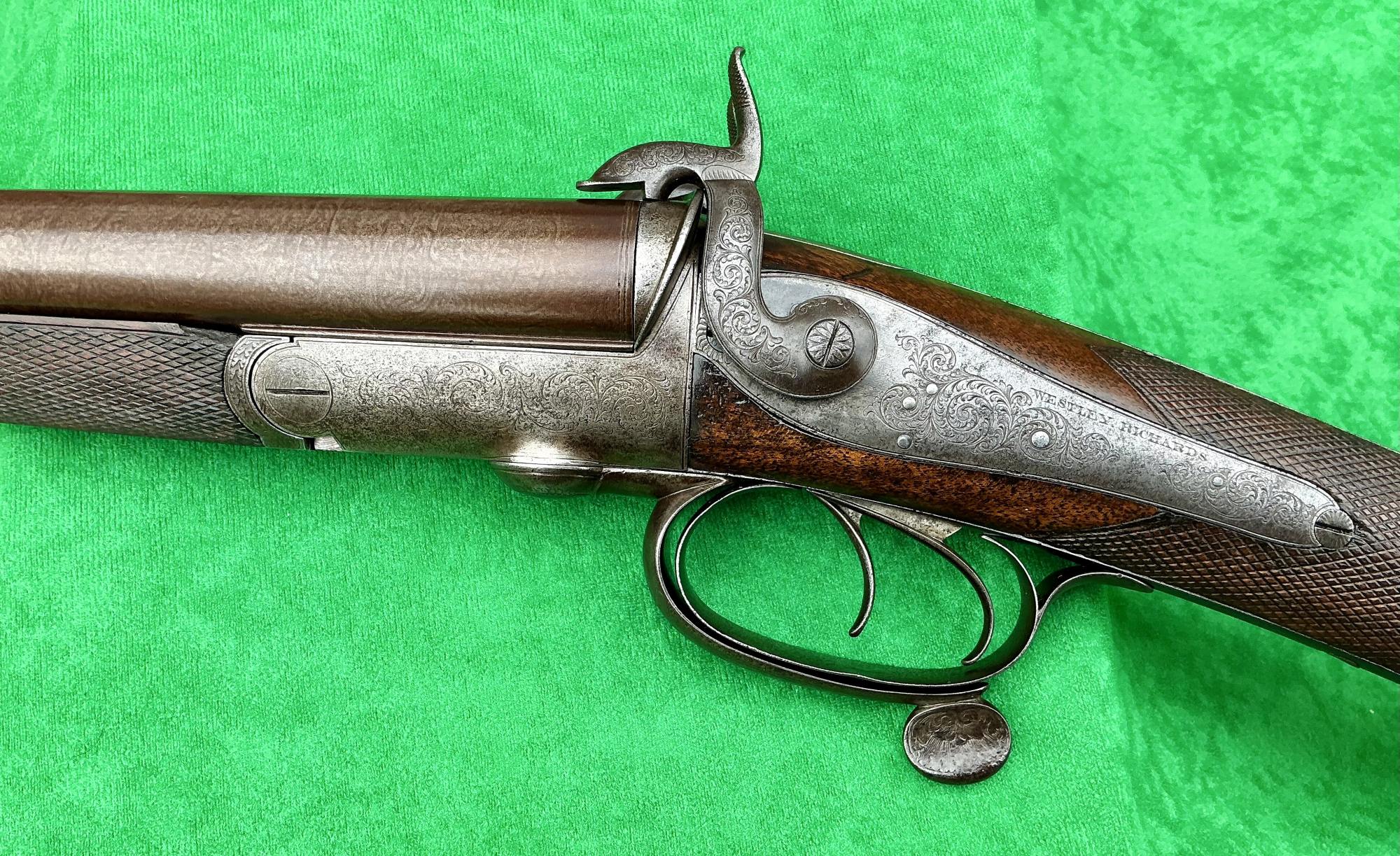
Westley Richards – 1860 Breech-Loader

Westley Richards – 1860 Breech-Loader

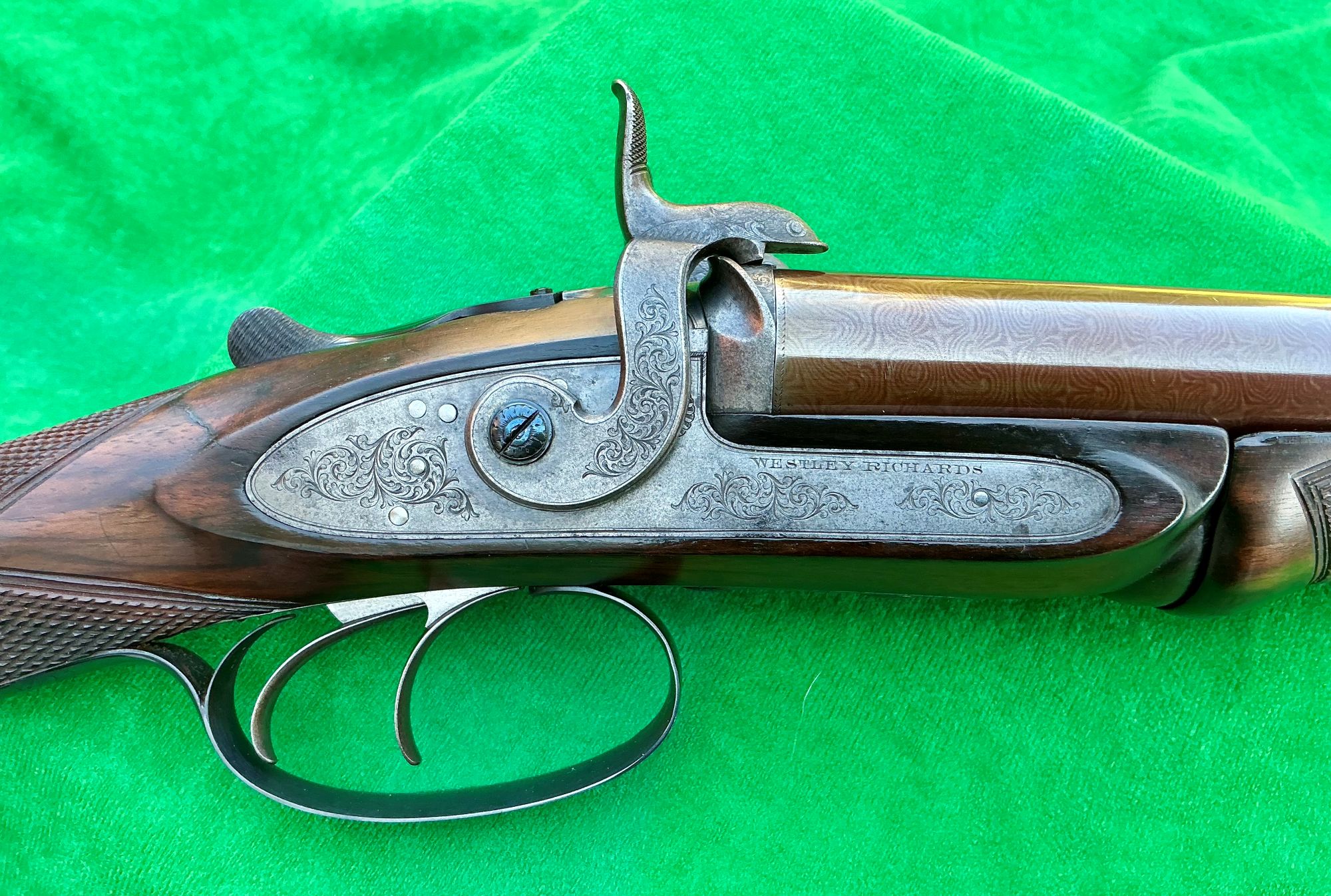
Westley Richards – Gunmakers 1860 Breech-Loader The first Westley Richard Sporting Game breech-loading guns emerged in 1858 and were of Pin-fire form. The majority of early breech-loaders from Westley Richards encountered today are of Top-Lever patented designs.

171 David Neale
Read More
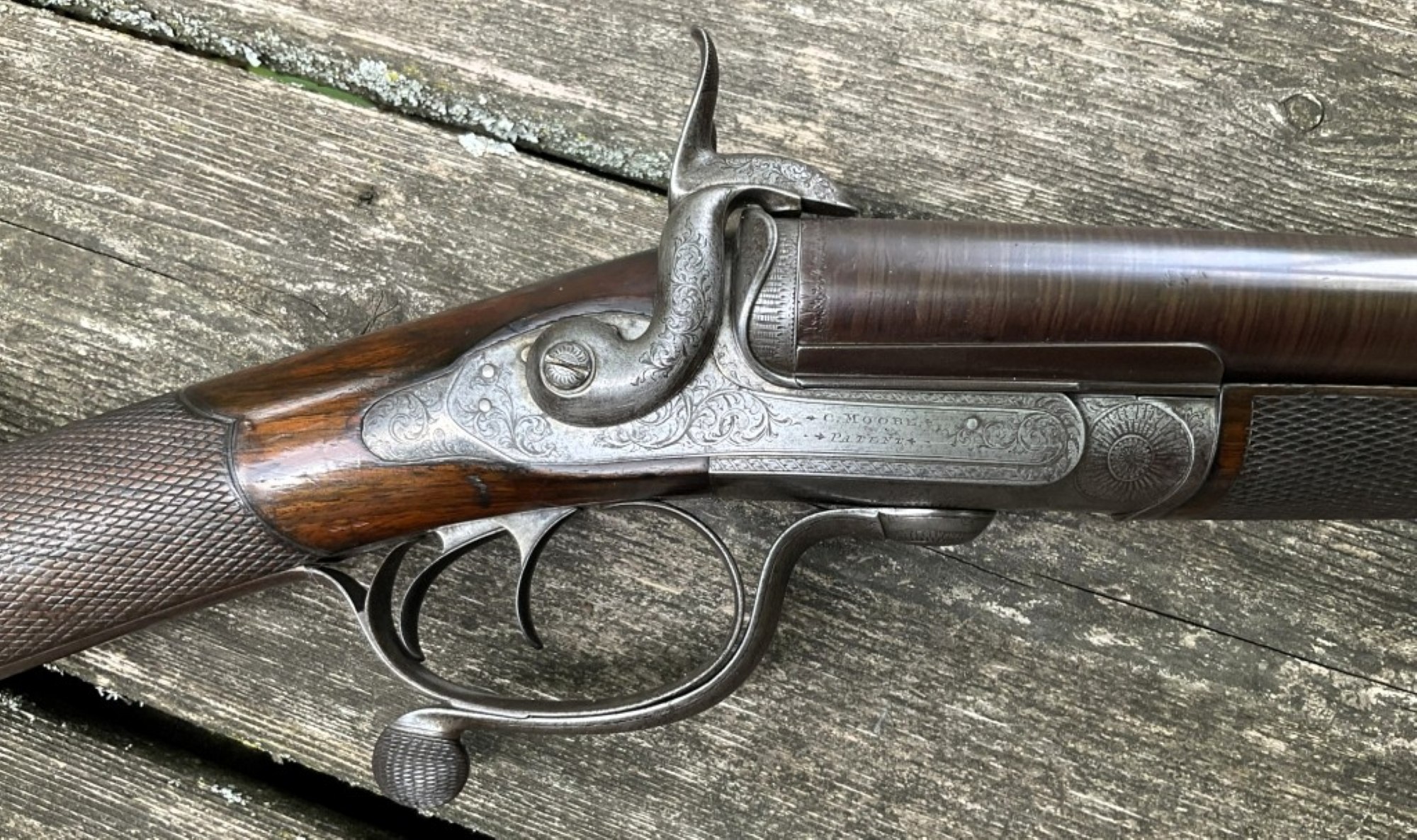
James Woodward of London

James Woodward of London

James Woodward of London Charles Moore, Pellet-Lock conversion to Pin-fire An interesting ‘Woodward-Moore Conversion’ – With the unending discussions over the terms of ‘best gun,’ ‘best-gun maker,’ and ‘best gun maker’, these discussions are seemingly hard to avoid, and are even harder to settle. While there have been many storied gunmakers, the period 1851 to 1869 is of primary interest to the author of this article, Stephen Nash, to which he reminds us, ‘It must be remembered, Gun makers of the new concept in building breech-loaders were all equally new to the task, no matter the pedigree of the maker, or their name’.

241 Stephen Nash
Read More
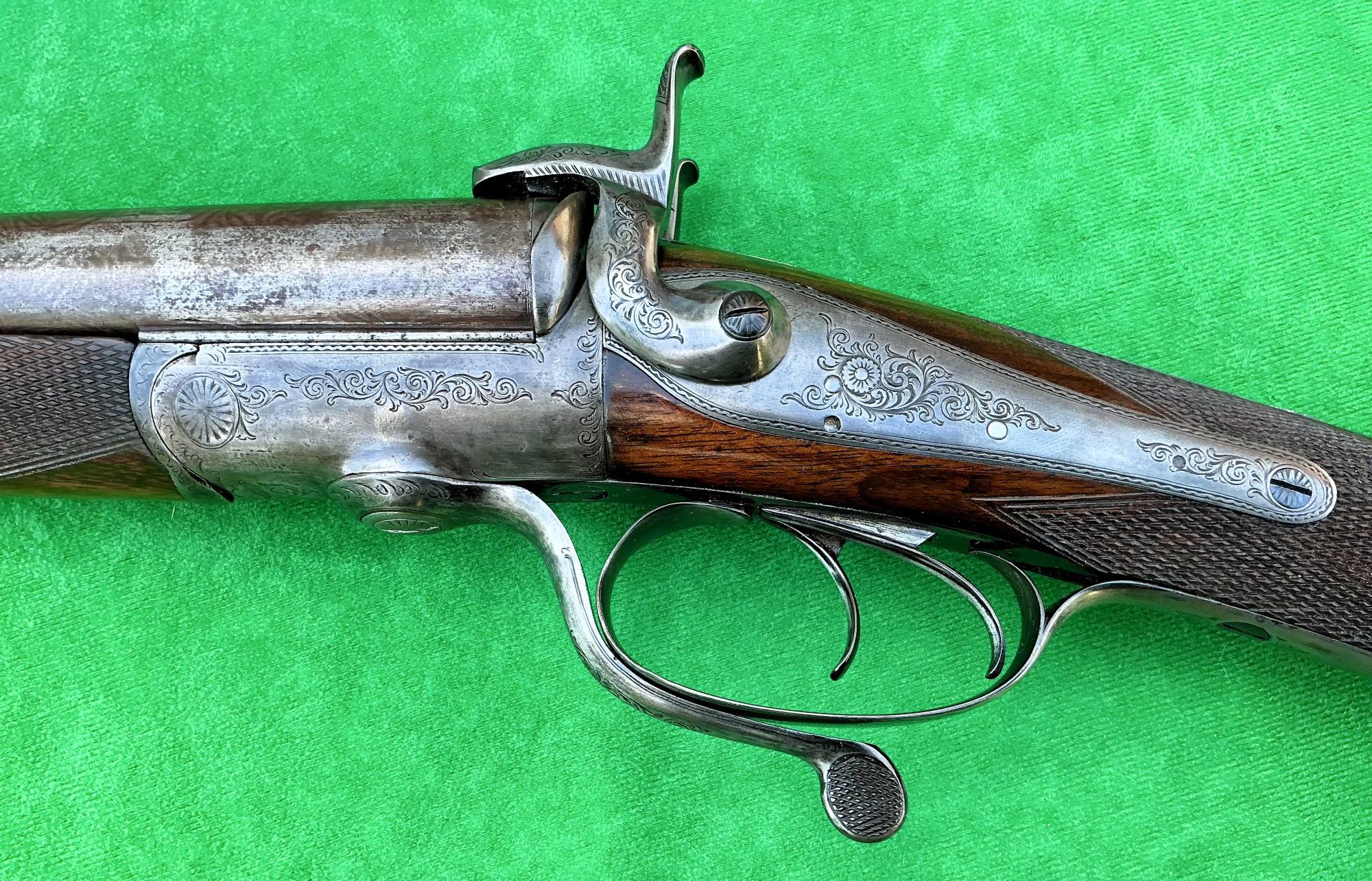
Edward Bond - London

Edward Bond - London

Edward Bond – London 1865 Pin-fire Gun maker 1762-1879 Edward Bond of London is best known from the era of the Muzzle-loader covering pistols, sporting guns and military weapons made as both Flint-lock and Percussion. The quality of work from this maker is well established including good quality ‘Duelling Pistols’ Edward Bond and the manufacture of Sporting Game guns in the form of Pin-fires are relatively low in number.

316 David Neale
Read More
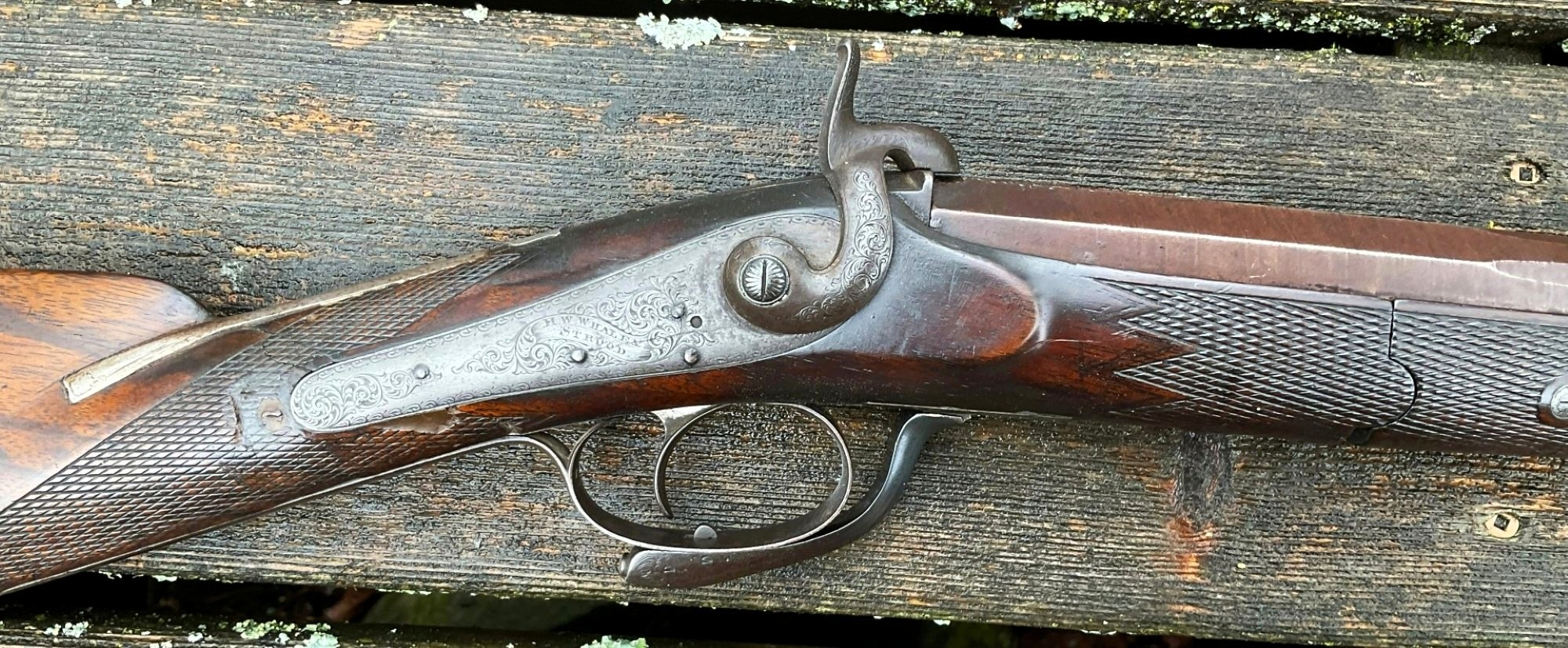
Henry Watson Whaley - Gunmaker

Henry Watson Whaley - Gunmaker

Henry Watson Whaley - Strood, Kent A Pinfire Single barrel, signed Whaley An interesting article from Stephen Nash, after securing a Single barrel conversion - Muzzle-loader to Pin-fire, by a provincial gunmaker, who likes to doing things the hard way !

315 Stephen Nash
Read More
Robert Adams - Gunmaker - Pinfire

Robert Adams - Gunmaker - Pinfire

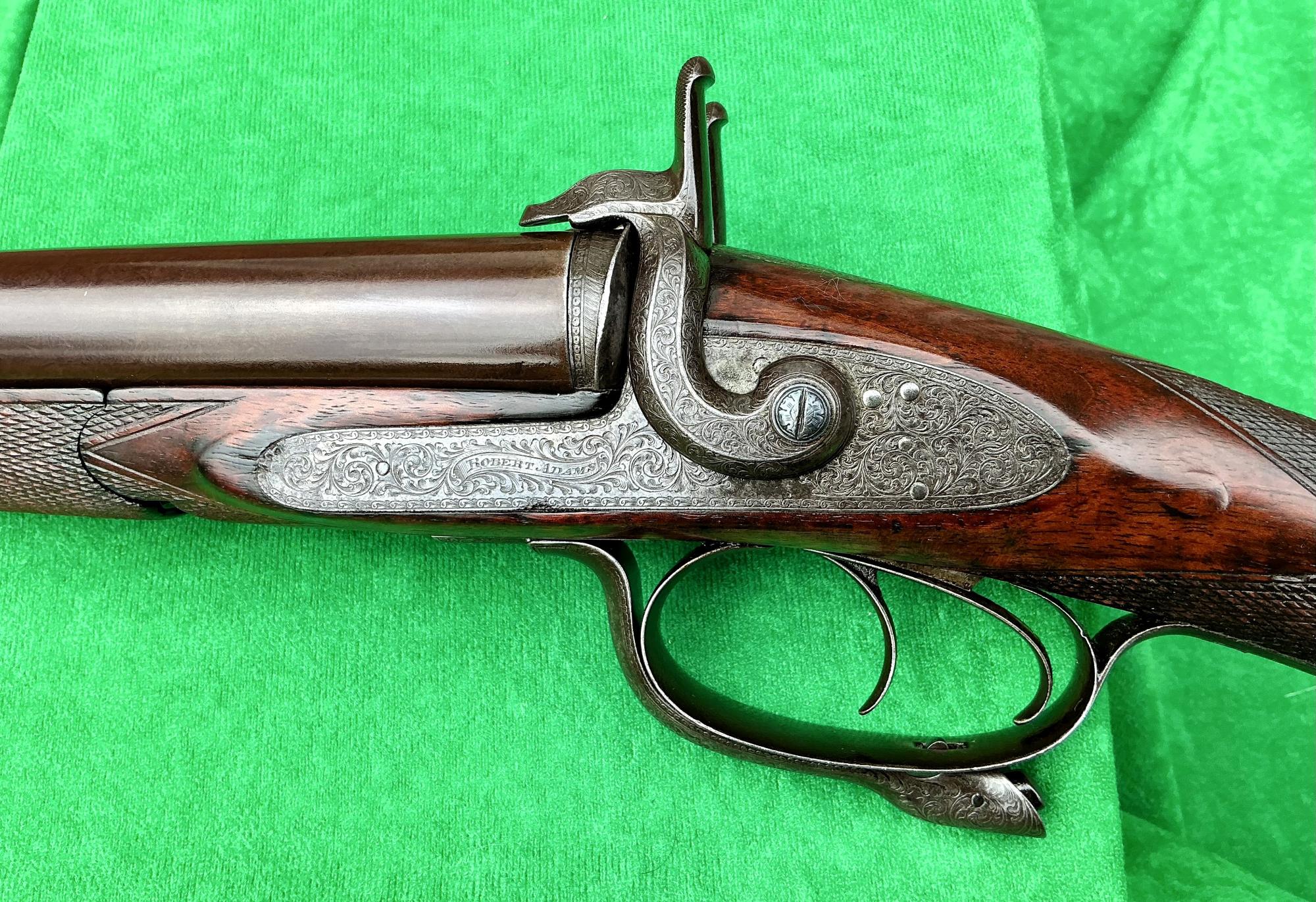
Robert Adams - Gunmaker - London - 1858-1866 Stories from the Scrap pile Stood in the corner of a provincial gun shop, dusty, rusty, and out of favour, this old gun was getting ever closer to ‘Madame Guillotine’ – fortunately, the gun was purchased for the price of a good Pub lunch. This 1860’s London made Pinfire had a ‘Tale to Tell’

393 David Neale
Read More
Westley Richards - Centre Fire Patent No. 2623 - Article Two

Westley Richards - Centre Fire Patent No. 2623 - Article Two

Article Two – Centre Fire - Patent No. 2623 The second of the two Westley Richards sporting game guns featuring the Patent No. 2623 of 1864, for a single bite snap action. The patent bridges the Pinfire and Centre fire transition. The use of the lateral thumb lever, has made the guns in both; Article One & Article Two, look up to date and ahead of their time considering their date of manufacture

506 David Neale
Read More
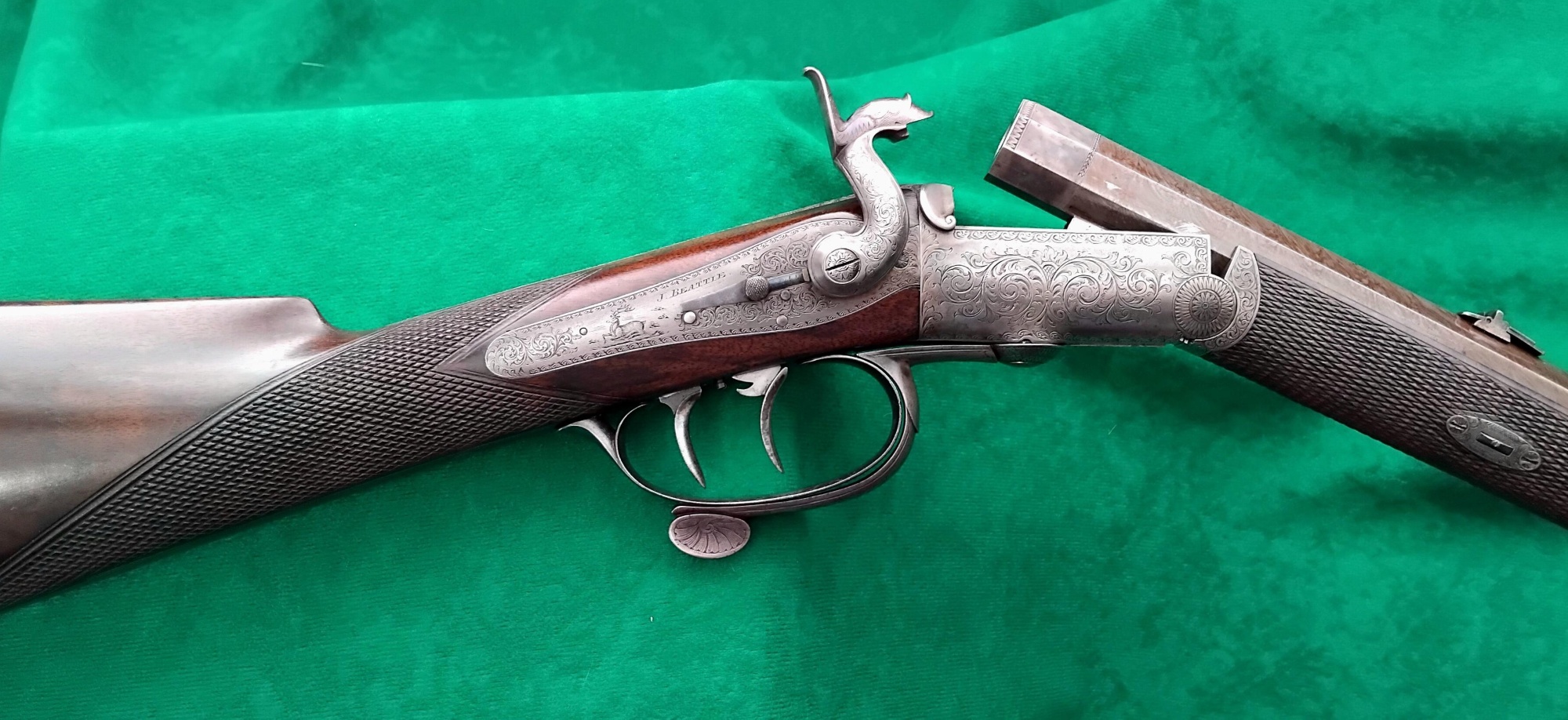
James Beattie - Deer Park Rifle

James Beattie - Deer Park Rifle

The Rifle that inspired this article was built by James Beattie, hand-made to order as a Park Rifle, for dedicated use within the confinements of the Deer Park.

664 David Neale
Read More
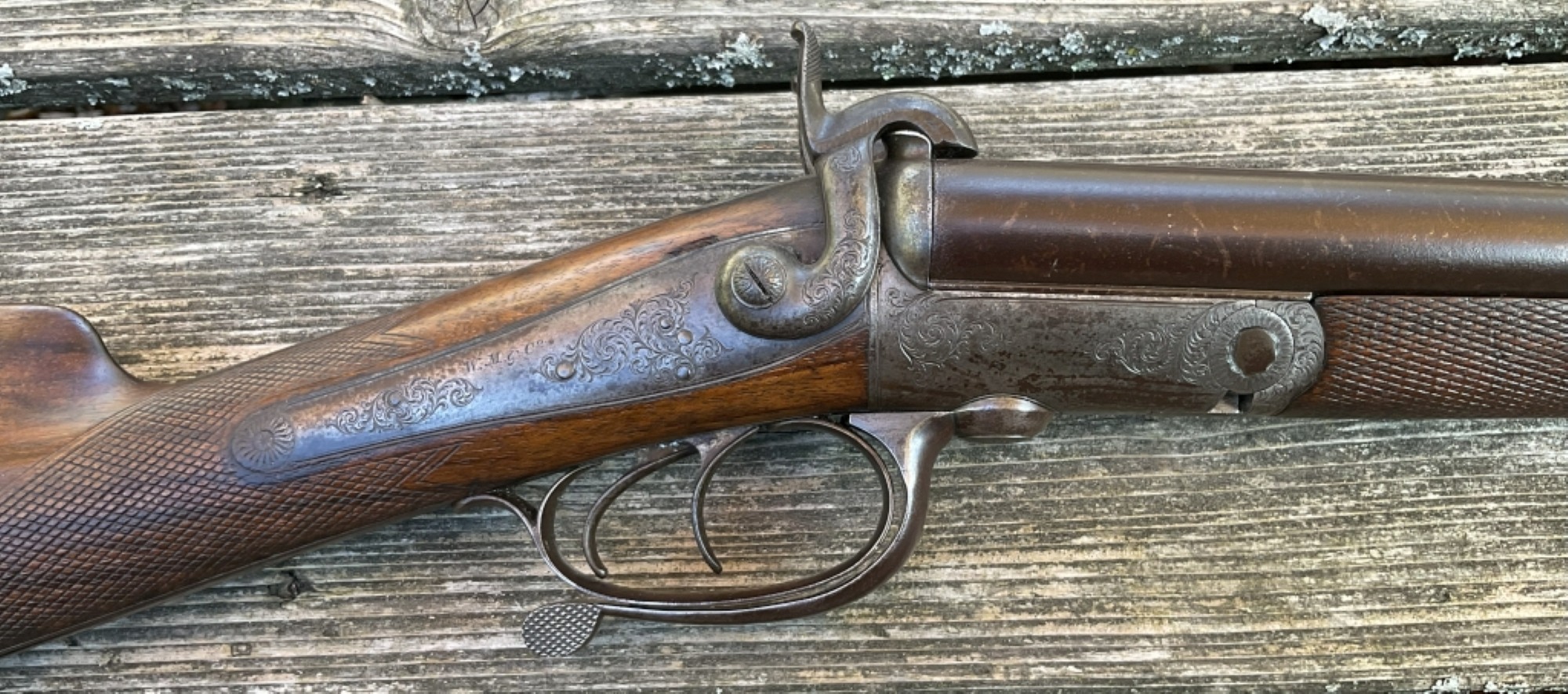
William Moore & Co.

William Moore & Co.

Patents are an interesting area of study regarding British hammer guns, but not all good ideas were patented, including some innovative ones. For example, when under-levers first appeared on breech-loading guns, they were forward-facing, after the original French design.

492 Stephen Nash
Read More
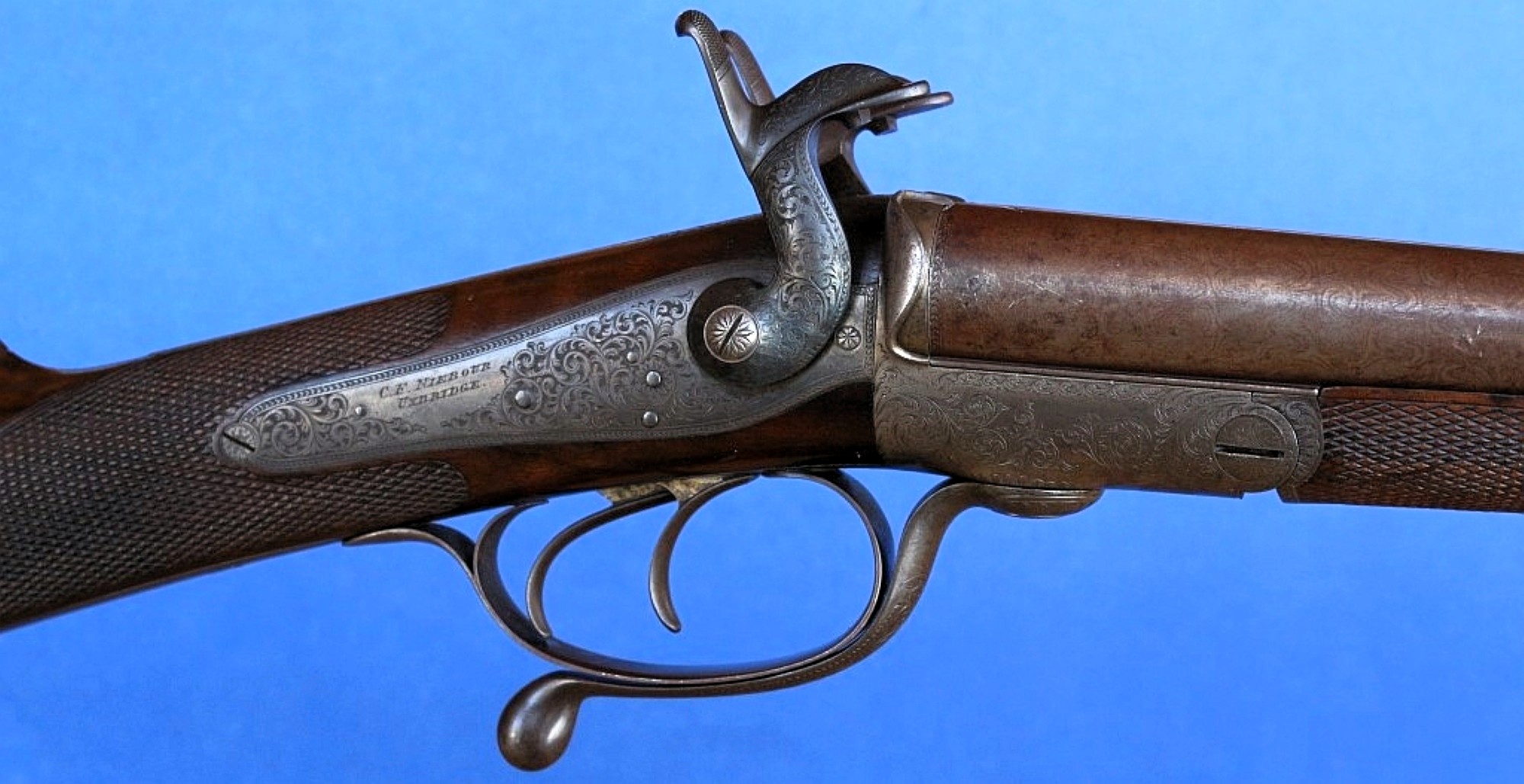
Charles Frederick Niebour

Charles Frederick Niebour

An uncommon surname and almost forgotten Gun-maker, “Niebour”. Fortunately, Stephen Nash an outstanding Pinfire Game Gun historian, has with limited information given this maker a voice.

433 Stephen Nash
Read More
Edward Paton

Edward Paton

Edward Paton was born in 1819 in Dublin into a military family, who were deeply tied to the 42nd (The Royal Highland) Regiment of Foot. Edward became the regiment's armourer, and in 1847

461 Stephen Nash
Read More