Shot and ball
By David Neale
•
•
11 min read
•
839 views
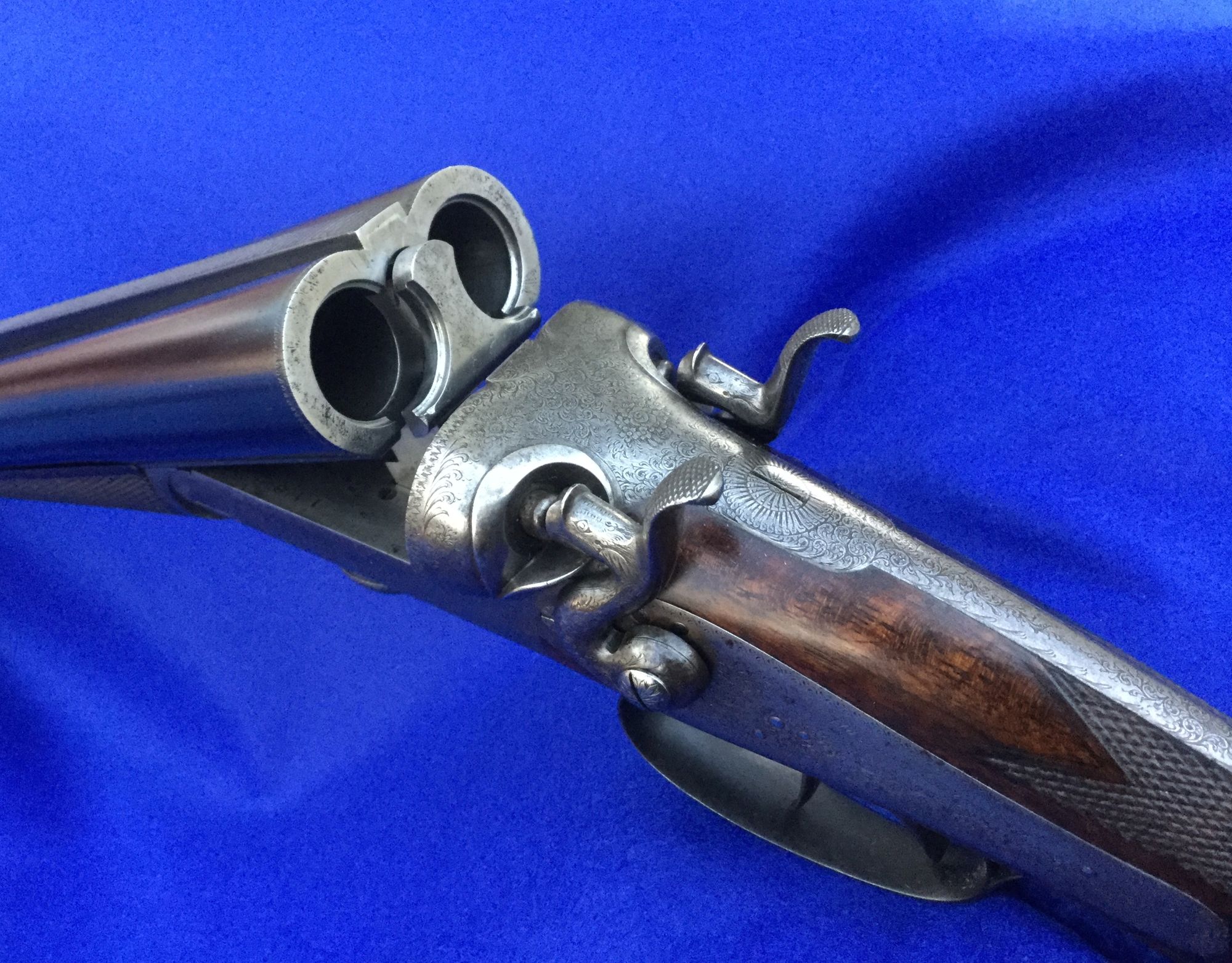
Shot and Ball Guns
The Shotgun that thinks its a Rifle
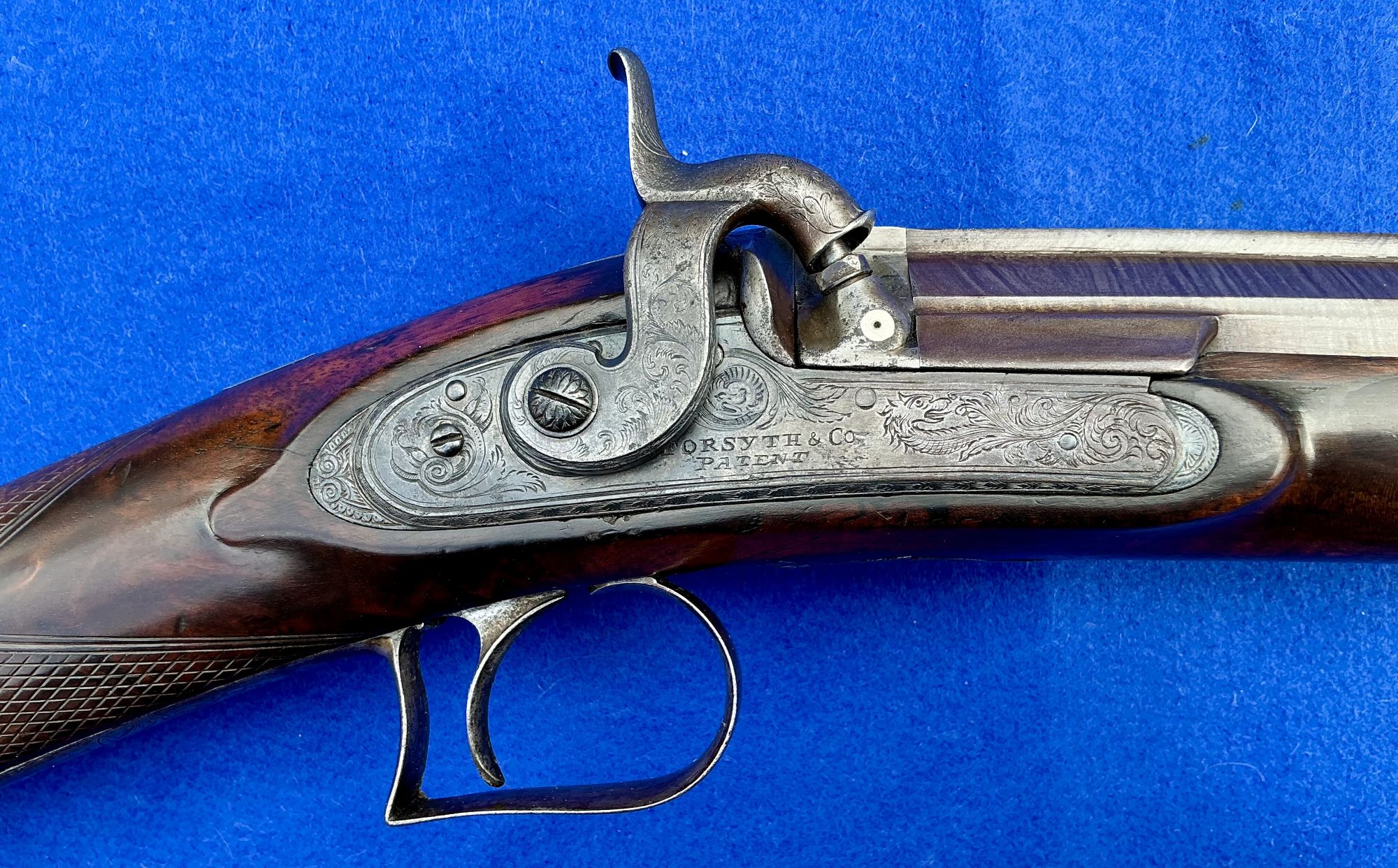
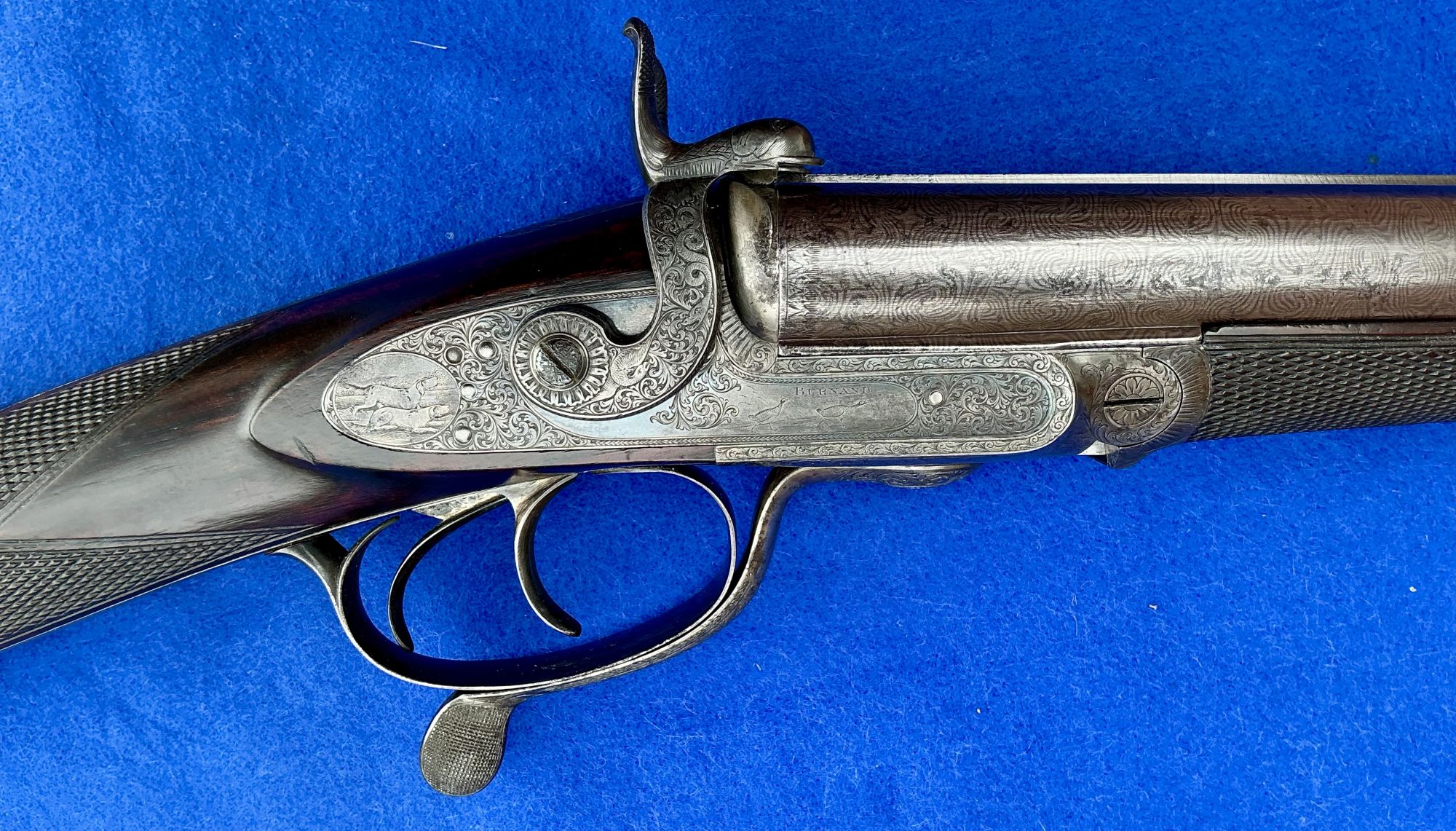
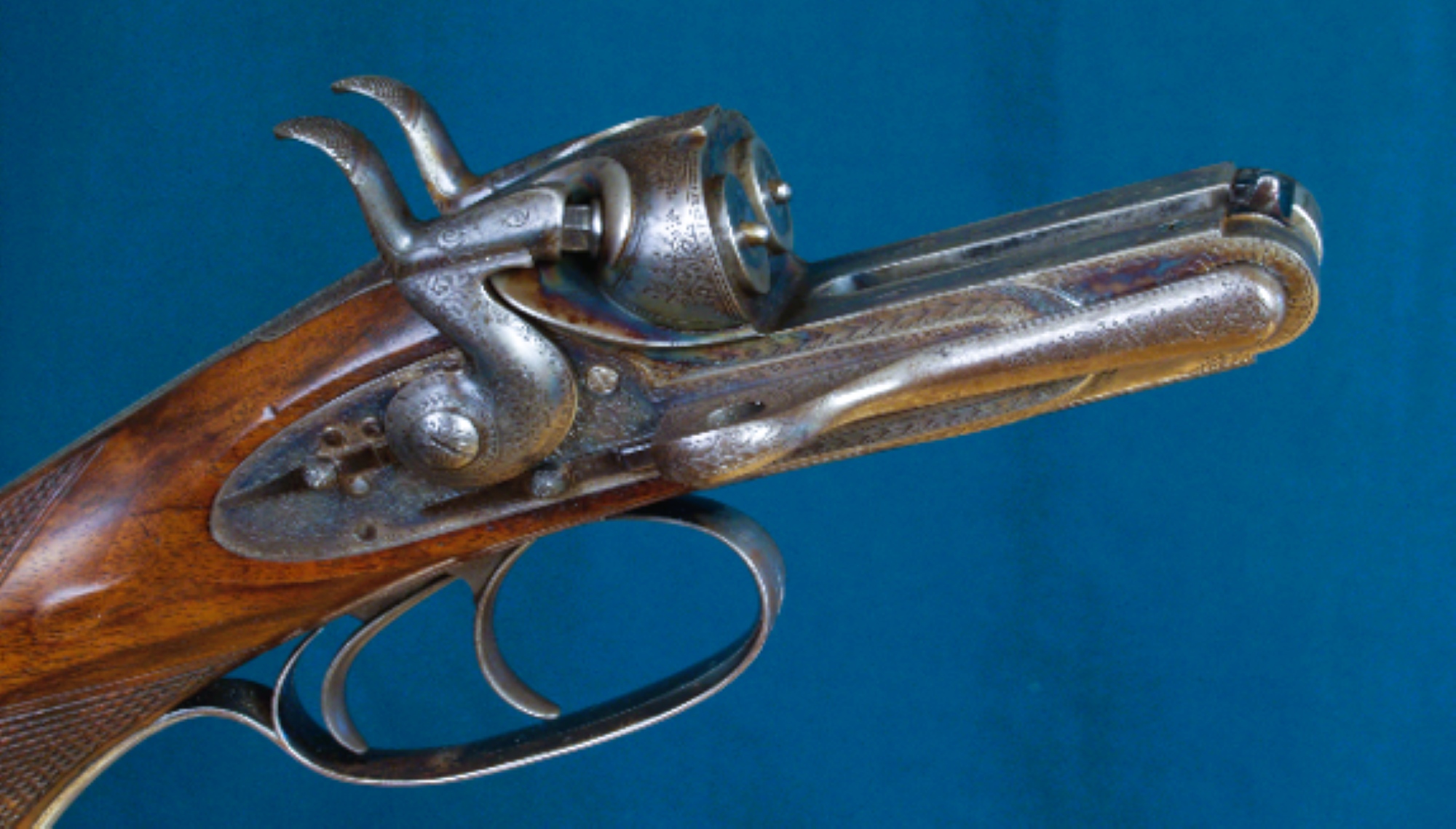
The concept of Shot and Ball guns have been with us longer than you might think ! sadly all but lost to history today, except for specialist outfits provided by bespoke custom Gunmakers, however those interested in the developments of the shotgun, and looking for an explanation to what these Shot and Ball guns are, and why they came in to existence, the information below is an interesting starting point. It would be fair to say from as far back from when Hunters began their quest to hunt, and needing weapons to take on whatever challenge they faced, the Inventors and Makers accommodated those needs. The shotgun has always been a versatile weapon, and has been the foundations for many different transformations of the guns' we use today.

Sir Samuel White Baker's Legendary Paradox - Shot and Ball gun.
As we know, Shot and Ball guns originated from the shotgun, it was noted that bigger shot dispatched bigger quarry at greater distances (Basic Physics). This allowed the user a choice of load or cartridge from the same gun, and having a number of different outcomes over different distances, for different quarry. The bigger shot sizes carried bigger kinetic energy, when arriving at its targeted prey for an effective humane dispatch, hence bigger shot for bigger game. The inventors, developers, and makers soon came up with a single projectile, that being, a ball that fitted the bore of the shotgun, and when fired with the correct amount of powder, and patch to support any loss of gasses propelling the fired ball. The ball would travel considerable distances, with a higher level of accuracy than just shot. The ball retaining high levels of kinetic energy (Stopping Power). This like all things would be developed over time until it was perfected, or replaced with something better.

The Paradox used by Sir Samuel White Baker to Dispatch two Brown Bears with one shot. Winter 1889 India.
That something better would eventually be "Rifling" and the "Game Rifle" The Shot and Ball gun was being developed in the time of the Muzzle loader (Flint Lock and Percussion) - Rifling was experimented with, and developed as far back as the 17th century. This development eventually became Rifles, for both sporting and military purposes. There remained a niche, and need for Shot and Ball guns within hunting, as there was an opportunity to make the hunter a gun, that would hunt both game birds and game animals at short distances, using shot pellets and solid ball. The effective distances for solid ball initially were up to approximately 50 yards.

The barrel wall thickness at the breech indicates the Power and Pressures generated from the ammunition used.
The British Empire had an influence on the development of these guns, as the Victorian Explorers like Livingstone, Speak and Sir Samuel White Baker moved across and into the African interior, these men and their expeditions needed bigger and more powerful weapons to protect themselves from the massive variety of Dangerous Game, especially in the areas like Africa and India, the number of game animals in general were far larger in number than anything found in Britain, with overseas game animals ranging in sizes from small deer to the elephant. The number of British soldiers, their families, and governing officials with their staff residing across the British Empire were considerable, and due to the practices at the time, many would be involved with hunting. The types of animal hunted across parts of the British Empire, were pretty much anything that could be eaten, and anything seen as being a danger, or likely to attack the hunter, was classed as Dangerous Game, from Wild Dogs, Warthogs, all the way through to Crocodile, Tiger, Lion, Buffalo, Hippo, Rhino, and Elephant.

Holland & Holland 16 bore Paradox Advertisement
The Shot and Ball guns allowed the shotgun to deliver effective close range shooting with “shot pellets” for taking birds and small animals. The Ball on the other hand was used to take on bigger animals, and in some cases Dangerous Game. The Shot and Ball gun was a valuable and versatile weapon, extremely well suited to places like Africa and Asia. The development of the breech loader in around 1860, allowed gun makers to build shotguns that would use breech loading cartridges containing shot, or a single ball. The development and use of barrels with an element of choke to tighten patterns of the “shot pellets” were more common after 1875, from this date point we see proof marks used on shotguns, identifying the choked barrels, with a stamp mark stating “NOT FOR BALL”, this proof mark was introduced in 1875 and was last used in 1887. From 1888 the proof mark “NOT FOR BALL” stamp was retired.

Table of Proof marks for London & Birmingham 1813 to 1904
Interestingly, all shotguns made during these dates were marked Not for Ball, this would indicate these guns could be used with ball in the United Kingdom as well as overseas at the time. The introduction of the invention named PARADOX rifling by Col. G.V. Fosbery for Holland and Holland in 1885, was seen as a game changer, whereby the gun could be used with standard cartridge with bird shot, or a Paradox cartridge containing a sold conical shaped bullet. In the 12 bore, the bullet weighing a massive 1 and 3/4 ounces. This was highly specialised at the time, as the last three inches of the Paradox gun barrel was heavily rifled. The accuracy achieved with the solid bullet was impressive for the time, at 100 yards plus.

Paradox choking - the last two and half inches with course rifling

Holland & Holland - 8 bore - Paradox Advertisement

Holland & Holland - 10 bore - Paradox Advertisement
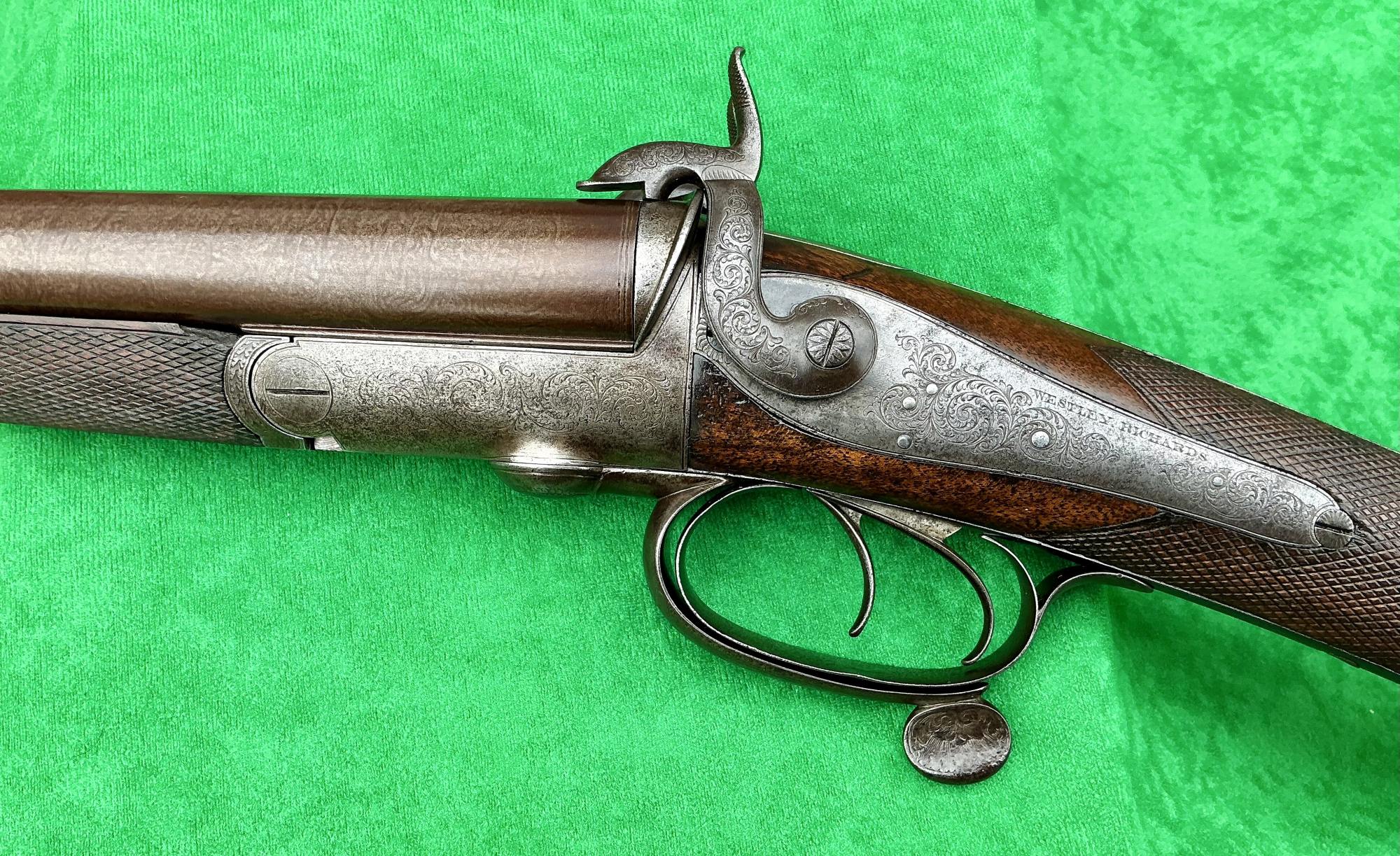
The Paradox gun and rifling by 1912 was no longer patent protected by Holland & Holland, the Westley Richards version was then marketed as direct competition. The “Explora” was the larger version made as 12-bore, Richards also made an Explora version in 8-bore. The “Fauneta”, was the smaller model, these were available in 20-bore and 28-bore. Westley Richards favoured the hammerless gun with hand-detachable lock for both these models, but also offered a fixed-lock Anson & Deeley patented option as well.
In the early stages of the First World War, Holland and Holland “Shot and Ball” Paradox guns were pressed into service to combat the threat from Zeppelins. Holland and Holland developed a special 12 bore incendiary round. The round was known as the "Holland Buckingham .707 inch Incendiary shell", designed to ignite the airship's hydrogen cells. Records show at least 12 Paradox guns were purchased by the Royal Navy Air Service, for use by United Kingdom based patrol aircraft. The Paradox gun and related ammunition remained in use until the development of incendiary ammunition for the British .303 rifle.
The War Office used the Holland and Holland Paradox shot and ball gun concept during the first World War, these guns were deployed against the Zeppelin using an incendiary round, containing a phosphorus filled bullet to ignite the hydrogen filled Zeppelins

First Zeppelin attack on London 19th January 1915
The contribution that shot and ball guns made to the lives of late Victorian and Edwardian explorers, colonists and hunters, were at least, an effective compromise, they gave both the ability of the shotgun, and that of a rifle when needed.
Eley's offerings of bullet types for the "Shot & Ball" gun concept.
The Eley cartridge company were also offering spherical ball cartridges for the calibre .410
The Shot and Ball guns were an interesting concept in the history of the shotgun and its developments. The manufactures identified are only two of the vast amount of British Gun-makers building and supplying these guns, they remain an interesting gun to research and collect. The Holland and Holland company, and the likes of Westley Richards, and many high end gunmakers will, and do still make Shot and Ball guns to order today.